NASA's Artemis 1 Mission - Humanity's return to the Moon ! - A brief Explanation
The U.S. space agency on Saturday (Aug. 27) cleared the massive Space Launch System (SLS) rocket and its Orion spacecraft to launch on Artemis 1, an uncrewed trip around the moon. Liftoff is set for Monday (Aug. 29) at 6:03 p.m. IST from Pad 39B here at NASA's Kennedy Space Center.
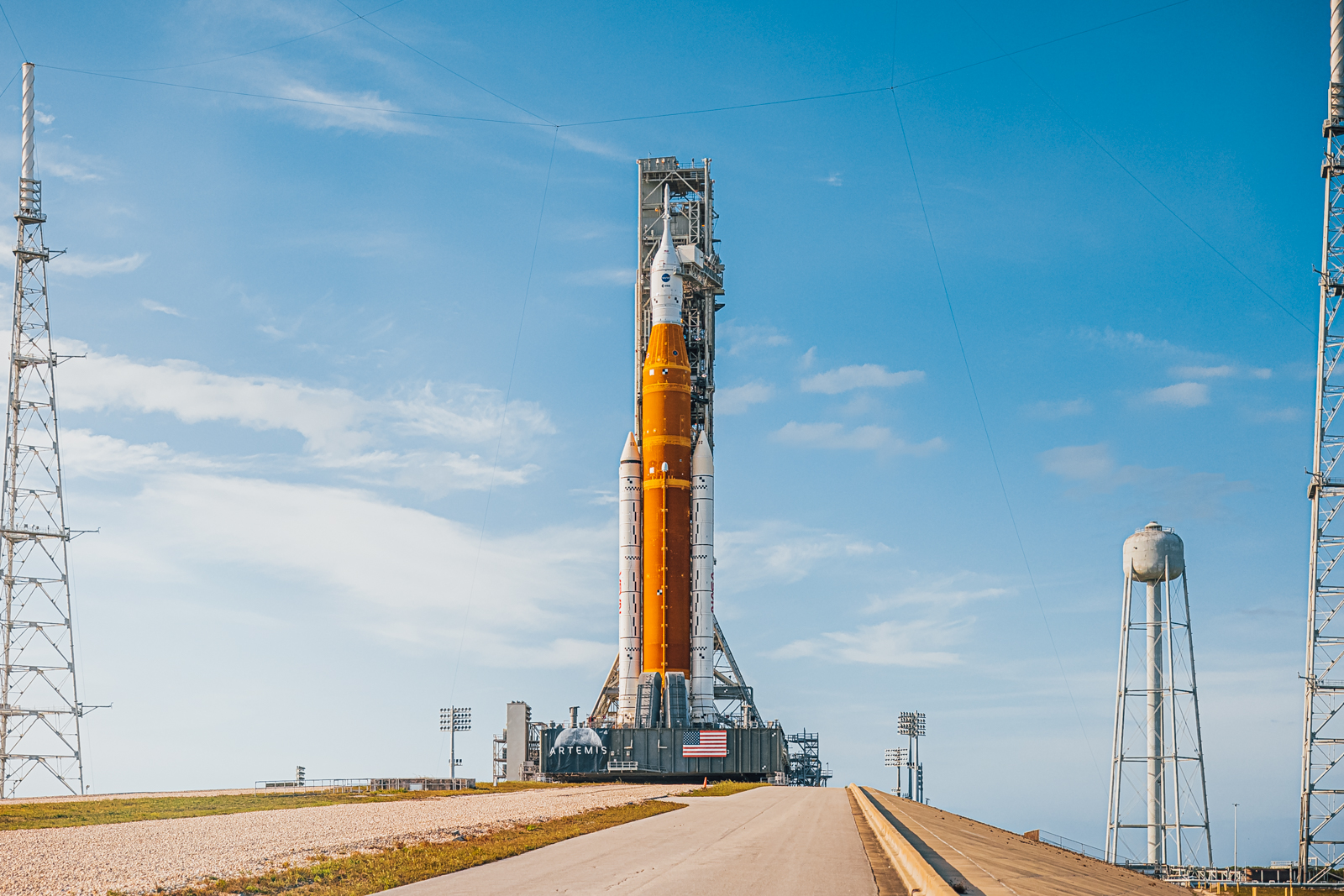 |
| NASA's Space Launch System Rocket |
The mission is the ultimate test
for NASA. After more than a decade of development, the SLS rocket is ready to
attempt what will be NASA's first launch of a human-rated rocket bound for the
moon in over 50 years.
Artemis 1 will be SLS'
first launch and the second for NASA's Orion capsule. The mission serves as a
stepping stone for Artemis 2 and Artemis 3, which will take humans back to
lunar orbit and the lunar surface, respectively.
Though Artemis 1 won't launch any
crew, Orion won't be empty. In fact, stowed aboard the capsule are a
suite of experiments designed to help keep astronauts safe on future Artemis
flights — a major focus being exposure to deep-space radiation.
A total of 10 cubesats are hitching a ride aboard Artemis 1, with three focused on radiation. These include a "space weather station" for measuring particles and magnetic fields, an imaging device to be deployed at the Earth-moon Lagrange Point 2 to measure radiation in Earth's plasmasphere, and a study of single-celled yeast to observe the effects of deep-space radiation on living organisms.
 |
| Simple Explanation of Artemis 1 Mission |
Other cubesats will conduct
studies of the lunar surface using infrared cameras to search for water, as
well as near-surface hydrogen in the permanently shadowed regions around the
lunar south pole. One cubesat, dubbed NEA Scout, will deploy in cislunar orbit
and spend two years utilizing solar sail technology to intercept and capture
images of 2020 GE, an asteroid less than 60 feet (18 meters) wide.
(NEA stands for "near-Earth asteroid.")
And strapped into Orion's
commander chair is NASA's "Commander Moonikin Campos," named for
Arturo Campos, the electrical power subsystem manager for the Apollo 13 lunar
module who helped bring that troubled mission safely back to Earth. Moonikin
Campos is equipped with two internal radiation sensors, with additional sensors
embedded in the mannequin's seat to measure vibration and acceleration forces
during the mission.
The moonikin will also be wearing
NASA's new Orion Crew Survival System Suit. The orange flight suit resembles
similar suits used during space shuttle missions but features a
plethora of upgrades. In an interview, Kirstyn Johnson, the deputy team lead
for Orion's new suit at NASA's Johnson Space Center in Houston, described some
of those upgrades.
"A lot of [the design] has changed based on how the Orion vehicle is now built and how we interact with the life support system," Johnson said. Orion's flight suit is designed to be worn for up to six days, and it features a feeding tube access port on the helmet so astronauts don't have to depressurize their suits to eat.

The suit's familiar orange color is "iconic," said Johnson, and allows rescue teams to more easily spot astronauts in the event of an in-flight emergency. The suit launching on Artemis 1 fits the moonikin perfectly, and once assembly begins on suits for real astronauts, each will be custom-built for the wearer, as opposed to the comparable one-size-fits-most suits from the shuttle era.
அமெரிக்க விண்வெளி நிறுவனம் சனிக்கிழமை (ஆக. 27) சந்திரனைச் சுற்றி ஒரு ஆள் இல்லாத பயணமான ஆர்ட்டெமிஸ் 1 இல் ஏவுவதற்கு SLS ராக்கெட்டையும் அதன் ஓரியன் விண்கலத்தையும் அனுமதித்தது. நாசாவின் கென்னடி விண்வெளி மையத்தில் உள்ள பேட் 39B இலிருந்து திங்கள்கிழமை (ஆகஸ்ட். 29) மாலை 6:03 மணிக்கு விண்ணில் ஏவுவதற்காக அமைக்கப்பட்டுள்ளது.
|
| நாசாவின் SLS ராக்கெட் |
இந்த பணி நாசாவின் இறுதி சோதனையாகும். ஒரு தசாப்தத்திற்கும் மேலான வளர்ச்சிக்குப் பிறகு, SLS ராக்கெட் 50 ஆண்டுகளுக்கும் மேலாக சந்திரனை நோக்கிச் செல்லும் மனித மதிப்பிடப்பட்ட ராக்கெட்டை நாசாவின் முதல் ஏவுவதற்கு முயற்சி செய்யத் தயாராக உள்ளது.
ஆர்ட்டெமிஸ் 1 SLS இன் முதல் ஏவுதலாகவும், நாசாவின் ஓரியன் காப்ஸ்யூலுக்கான இரண்டாவது ஏவுதலாகவும் இருக்கும். இந்த பணி ஆர்ட்டெமிஸ் 2 மற்றும் ஆர்ட்டெமிஸ் 3 க்கு ஒரு படியாக செயல்படுகிறது, இது மனிதர்களை முறையே சந்திர சுற்றுப்பாதை மற்றும் சந்திர மேற்பரப்புக்கு அழைத்துச் செல்லும்.
ஆர்ட்டெமிஸ் 1 எந்தக் குழுவையும் அறிமுகப்படுத்தவில்லை என்றாலும், ஓரியன் காலியாக இருக்காது. உண்மையில், காப்ஸ்யூலில் சேமிக்கப்பட்டவை எதிர்கால ஆர்ட்டெமிஸ் விமானங்களில் விண்வெளி வீரர்களைப் பாதுகாப்பாக வைத்திருக்க உதவும் சோதனைகளின் தொகுப்பாகும்
- இது ஆழமான விண்வெளி கதிர்வீச்சின் வெளிப்பாடு ஆகும்.
ஆர்ட்டெமிஸ் 1 கப்பலில் மொத்தம் 10 கியூப்சாட்கள் (Cubesats) பயணிக்கின்றன, மூன்று கதிர்வீச்சில் கவனம் செலுத்துகின்றன. துகள்கள் மற்றும் காந்தப்புலங்களை அளவிடுவதற்கான "விண்வெளி வானிலை நிலையம்", பூமியின் பிளாஸ்மாஸ்பியரில் கதிர்வீச்சை அளவிடுவதற்கு பூமி-சந்திரன் லாக்ரேஞ்ச் பாயிண்ட் 2 இல் பயன்படுத்தப்படும் ஒரு இமேஜிங் சாதனம் மற்றும் ஆழமான ஆர்ட்டெமிஸ் 1 ராக்கெட் இல் மொத்தம் 10 கியூப்சாட்கள் பயணிக்கின்றன, மூன்று கதிர்வீச்சில் கவனம் செலுத்துகின்றன. துகள்கள் மற்றும் காந்தப்புலங்களை அளவிடுவதற்கான "விண்வெளி வானிலை நிலையம்", பூமியின் பிளாஸ்மாஸ்பியரில் கதிர்வீச்சை அளவிடுவதற்கு பூமி-சந்திரன் லாக்ரேஞ்ச் பாயிண்ட் 2 இல் பயன்படுத்தப்படும் ஒரு இமேஜிங் சாதனம் மற்றும் ஆழமான விளைவுகளைக் கண்காணிக்க ஒற்றை செல் ஈஸ்ட் பற்றிய ஆய்வு ஆகியவை இதில் அடங்கும். - உயிரினங்கள் மீது விண்வெளி கதிர்வீச்சு.
|
| Artemis 1 யை விவரிக்கும் படம் |
மற்ற க்யூப்சாட்கள், அகச்சிவப்பு கேமராக்களைப் பயன்படுத்தி நிலவின் மேற்பரப்பைப் பயன்படுத்தி தண்ணீரைத் தேடும், அத்துடன் நிலவின் தென் துருவத்தைச் சுற்றியுள்ள நிரந்தரமாக நிழலாடிய பகுதிகளில் மேற்பரப்புக்கு அருகில் உள்ள ஹைட்ரஜனைப் பயன்படுத்தும். NEA ஸ்கவுட் என்று அழைக்கப்படும் ஒரு க்யூப்சாட், சிஸ்லுனார் சுற்றுப்பாதையில் நிலைநிறுத்தப்பட்டு, 60 அடி
(18 மீட்டர்)
அகலத்திற்கும் குறைவான சிறுகோள் 2020 GE இன் படங்களை இடைமறித்து, கைப்பற்றுவதற்கு சூரிய பாய்மர தொழில்நுட்பத்தைப் பயன்படுத்தி இரண்டு ஆண்டுகள் செலவிடும். (NEA - Near
Earth Asteriod என்பது
"பூமிக்கு அருகில் உள்ள சிறுகோள்"
என்பதைக் குறிக்கிறது.)
ஓரியன் கமாண்டர் நாற்காலியில் நாசாவின்
"கமாண்டர் மூனிகின் காம்போஸ்"
கட்டப்பட்டுள்ளது, இது அப்பல்லோ 13 சந்திர தொகுதிக்கான மின்சார துணை அமைப்பு மேலாளரான ஆர்டுரோ காம்போஸுக்கு பெயரிடப்பட்டது, அவர் அந்த சிக்கலான பணியை பூமிக்கு பாதுகாப்பாக கொண்டு வர உதவினார். மூனிகின் கேம்போஸ் இரண்டு உள் கதிர்வீச்சு உணரிகளுடன் பொருத்தப்பட்டுள்ளது, பணியின் போது அதிர்வு மற்றும் முடுக்கம் சக்திகளை அளவிட மேனெக்வின் இருக்கையில் கூடுதல் சென்சார்கள் பதிக்கப்பட்டுள்ளன.
மூனிகின் நாசாவின் புதிய ஓரியன் க்ரூ சர்வைவல் சிஸ்டம் சூட்டையும் அணிந்திருக்கும். ஆரஞ்சு நிற ஃப்ளைட் சூட் (Flight Suit) ஸ்பேஸ் ஷட்டில் (Space Shuttle)
பயணங்களின் போது பயன்படுத்தப்படும் ஒத்த உடைகளை ஒத்திருக்கிறது, ஆனால் பல மேம்படுத்தல்களைக் கொண்டுள்ளது. ஒரு நேர்காணலில், ஹூஸ்டனில் உள்ள நாசாவின் ஜான்சன் விண்வெளி மையத்தில் ஓரியன் புதிய உடைக்கான துணைக் குழுத் தலைவர் கிர்ஸ்டின் ஜான்சன், அந்த மேம்படுத்தல்களில் சிலவற்றை விவரித்தார்.
"ஓரியன் வாகனம் இப்போது எவ்வாறு கட்டமைக்கப்பட்டுள்ளது மற்றும் லைஃப் சப்போர்ட் சிஸ்டத்துடன் நாம் எவ்வாறு தொடர்பு கொள்கிறோம் என்பதன் அடிப்படையில் நிறைய [வடிவமைப்பு] மாறியுள்ளது" என்று ஜான்சன் கூறினார். ஓரியன் ஃப்ளைட் சூட் ஆறு நாட்கள் வரை அணியக்கூடிய வகையில் வடிவமைக்கப்பட்டுள்ளது, மேலும் இது ஹெல்மெட்டில் ஒரு ஃபீடிங் டியூப் அணுகல் போர்ட்டைக் கொண்டுள்ளது, எனவே விண்வெளி வீரர்கள் தங்கள் உடைகளை சாப்பிடுவதற்கு அழுத்தம் கொடுக்க வேண்டியதில்லை.
உடையின் பழக்கமான ஆரஞ்சு நிறம் "சின்னமானது" என்று ஜான்சன் கூறினார், மேலும் விமானத்தில் அவசரநிலை ஏற்பட்டால் விண்வெளி வீரர்களை மிக எளிதாக கண்டறிய மீட்புக் குழுக்களை அனுமதிக்கிறது. ஆர்ட்டெமிஸ் 1 இல் ஏவப்படும் சூட் மூனிகினுக்கு சரியாகப் பொருந்துகிறது, மேலும் உண்மையான விண்வெளி வீரர்களுக்கான உடைகளில் அசெம்பிளி தொடங்கினால், ஷட்டில் சகாப்தத்தில் இருந்து ஒப்பிடக்கூடிய ஒரு-அளவிற்கு-பொருத்தமான-பெரும்பாலான சூட்களுக்கு மாறாக, ஒவ்வொன்றும் அணிந்தவருக்காக தனிப்பயனாக்கப்பட்டதாக இருக்கும்.


Nice info!!!
ReplyDelete