ISRO Determines the cause of SSLV D1 Failure - in English & தமிழ்
February 1st, the ISRO announced that the investigation into the failed maiden flight of SSLV. They have determined that the cause of failure was an unexpectedly strong shock during second stage separation which resulted in off nominal readings from the accelerometers aboard the rocket's guidance system, thus triggered a "salvage mode" - a mode designed to mitigate loss of mission in the event of an anomaly - unfortunately the system worked in reverse.
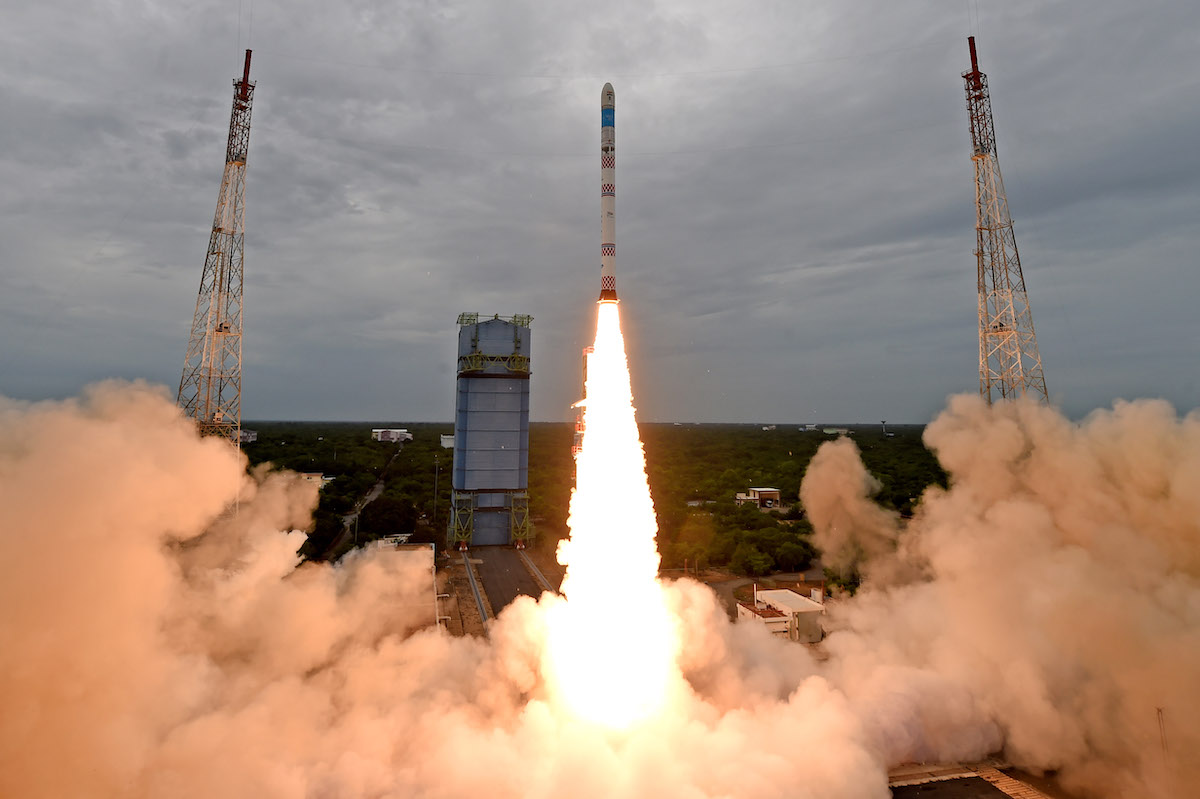 |
| SSLV D1 Liftoff |
During separation of the second stage, SSLV's 6 accelerometers measured stronger and more sustained vibrations than expected - 8ms longer (expected: 2ms; reality: 10ms). This caused the accelerometers to believe they had experienced an anomaly, however, the ISRO reports they performed nominally through the remainder of the flight.
Moving forward, the ISRO has outlined a number of corrective measures to move forward from the anomaly, they are as follows:
- Replace the second stage separation system with the proven system used on the third stage.
- Perform additional readings and for a longer duration before triggering salvage mode.
- Salvage mode will use closed loop guidance.
In case of failure of inertial system sensors, the mission will be progressing using NavIC data in a closed loop guidance scheme.
In case of failure of inertial sensors and non-availability of NavIC data (for more than 10 sec), an open loop steering guidance will be executed.Fourth stage (kick stage) usage will be considered in salvage mode
பிப்ரவரி 1 ஆம் தேதி, எஸ்எஸ்எல்வியின் முதல் விமானம் தோல்வியடைந்தது குறித்து விசாரணை நடத்துவதாக இஸ்ரோ அறிவித்தது. தோல்விக்கான காரணம், இரண்டாம் கட்டப் பிரிவின் போது ஏற்பட்ட எதிர்பாராத வலுவான அதிர்ச்சி என்று அவர்கள் தீர்மானித்துள்ளனர், இதன் விளைவாக ராக்கெட்டின் வழிகாட்டுதல் அமைப்பில் உள்ள முடுக்கமானிகளில் இருந்து பெயரளவிலான அளவீடுகள் ஏற்பட்டன, இதனால் ஒரு "காப்பு முறை" தூண்டப்பட்டது - இது ஒரு பயன்முறையில் பணி இழப்பைக் குறைக்க வடிவமைக்கப்பட்டுள்ளது. ஒரு ஒழுங்கின்மை நிகழ்வு - துரதிர்ஷ்டவசமாக கணினி தலைகீழாக வேலை செய்தது.
|
| SSLV D1 விண்ணில் பாய்ந்த போது |
இரண்டாம் கட்டத்தை பிரிக்கும் போது, SSLV இன் 6 முடுக்கமானிகள் எதிர்பார்த்ததை விட வலிமையான மற்றும் நீடித்த அதிர்வுகளை அளந்தன - 8ms நீளம் (எதிர்பார்க்கப்பட்டது: 2ms; உண்மை: 10ms). இது முடுக்கமானிகளை தாங்கள் ஒரு ஒழுங்கீனத்தை அனுபவித்ததாக நம்புவதற்கு காரணமாக அமைந்தது, இருப்பினும், மீதமுள்ள விமானத்தின் மூலம் பெயரளவிற்கு அவர்கள் செயல்பட்டதாக ISRO தெரிவித்துள்ளது.
முன்னோக்கி நகரும், இஸ்ரோ ஒழுங்கின்மையிலிருந்து முன்னேற பல திருத்த நடவடிக்கைகளை கோடிட்டுக் காட்டியது, அவை பின்வருமாறு:
- மூன்றாம் கட்டத்தில் பயன்படுத்தப்படும் நிரூபிக்கப்பட்ட அமைப்புடன் இரண்டாம் நிலை பிரிப்பு முறையை மாற்றவும்.
- காப்புப் பயன்முறையைத் தூண்டுவதற்கு முன், கூடுதல் அளவீடுகள் மற்றும் நீண்ட காலத்திற்குச் செய்யவும்.
- காப்புப் பயன்முறை மூடிய வளைய வழிகாட்டுதலைப் பயன்படுத்தும்.
செயலற்ற அமைப்பு உணரிகள் தோல்வியுற்றால், மூடப்பட்ட லூப் வழிகாட்டுதல் திட்டத்தில் NavIC தரவைப் பயன்படுத்தி பணி முன்னேறும்.
செயலற்ற உணரிகளின் தோல்வி மற்றும் NavIC தரவு கிடைக்காத பட்சத்தில் (10 வினாடிகளுக்கு மேல்), திறந்த லூப் ஸ்டீயரிங் வழிகாட்டுதல் செயல்படுத்தப்படும். நான்காவது நிலை (கிக் நிலை) பயன்பாடு காப்பு பயன்முறையில் பரிசீலிக்கப்படும்.


Comments
Post a Comment